
The iconic male tiger, admired by thousands of tourists and feared by rivals, reportedly died after a fierce clash in the Khitauli range. Bandhavgarh National Park has lost one of its most recognizable and beloved tigers. Pujari (priest in English) , the majestic male who ruled hearts as much as territories , is believed to have died following a violent territorial clash with D1, another dominant male from the Khitauli range. Tourist guides noticed his sun-salutation poses at water bodies and a priest like calm in the cat, giving him the moniker. For wildlife lovers and regular visitors to Bandhavgarh, the news marks the end of an unforgettable chapter in the park’s rich tiger history. Several WhatsApp groups of tourists, guides, and wildlife enthusiasts have been flooded with tributes to the iconic tiger. While many stories circulating after Pujari’s death may not fully conform to scientific wildlife interpretations, they reflect the immense popularity of the big cat and t...
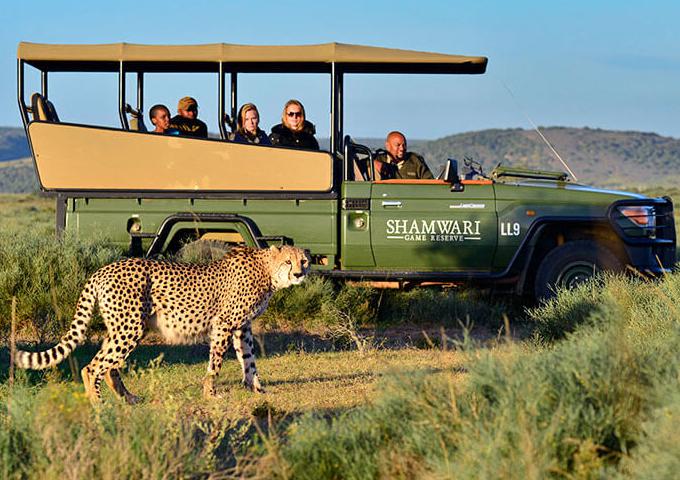
All eyes are on a South African delegation visiting Kuno Palpur National Park (KPNP) to finalize the cheetah translocation project surrounded by controversies and also the concerns raised by the conservationists. This in fact alerted the South African government which decided to postpone the signing of MoU . Though the government has always been tightlipped over any date for cheetah translocation, hectict attempts were made to implement the project by August 15 .The government of India decided to introduce cheetahs in Kuno earmarked earlier as a second home for Asiatic lions. About 700 such lions are found only in the Saurashtra region of the western Indian state of Gujarat.
S African Delegation In Kuno

More than one and half months ago, as many as 12 cheetahs were already quarantined in a private reserve of South Africa and were ready to be dispatched for Kuno . But the delay in signing of a formal MoU between the two nations also delayed the airlifting of the animals. “The South African government wants to satisfy itself that the re-introduction is a good idea. They are therefore sending their own delegation to India to inspect the release sight”, Professor Adrian Tordiffe faculty of Veterinary Science at the University of Pretoria told thewildlifeindia. He said, “All the South African experts that have been involved in the project so far -including me- do not work for the S Africa government. So it is merely them making sure that all the boxes are ticked”.
Also read: Delay In Cheetah Translocation, Indian Bureaucrats in Tizzy
Adrian also said, “They can be very slow, but from the meeting I had with them last week, there are no major concerns about the project and I expect that they will be positive in their report.” The South African bureaucrats are likely to travel to India between September 5 and 9. He also said that “I don't think the cheetahs will be in India by the 15th of September. I have not been given any specific date, but it is only likely to happen in the 2nd half of September or early October.” However Tordiffe reiterated that leopard presence in the cheetah enclosures “is any concern”. “The cheetahs we are planning to send come from reserves that have leopards, lions and spotted hyenas”, he said.
"Cheetahs Are For Tourism"

Meanwhile, the minister of forest department in the state of Madhya Pradesh where Kuno is located has said recently that,” cheetahs would be reaching India in November and the date may coincide with November 1, the foundation day of the state of Madhya Pradesh. Last week, a news agency had reported that the state had also invited the Prime Minister Narendra Modi for the release of cheetah, an event reportedly planned for him on August 15.After cheetah extinction from India several decades ago, the government of India decided to introduce it in Kuno, a choice contested by the conservationists and biologists in India. For decades Kuno was being prepared for the lion's second home, a project always opposed by politicians, bureaucrats and the tourist lobby of the state.
Also read:Lion ,Cheetah And The Politics Of Conservation
Despite a Supreme Court order in 2013 to introduce lions and not cheetahs, this project is going at a faster pace. But some unknown factors have delayed it. Though India signed an MoU with Namibia on July 20, there are no signs of cheetah translocation from the country. Cheetahs are ready in South Africa for shifting to Kuno but there is no MoU. Government said that this help develop grasslands in India, experts refused to buy the claim and said that the animal has no conservation value. It is a vanity project . Cheetahs are for tourism and not for conservation”, says Ravi Chellam , one of India’s eminent wildlife expert.
Restocking Of Prey in Kuno

The state forest department in Madhya Pradesh is stocking the cheetah enclosures with spotted deer or cheetal as a prey for the fastest animal on the land. Conservationists also have reservation over the availability of prey for African cheetah and said that “the spotted cat is not used of preying over spotted deer and would kill smaller animals in African savannah”. To make the most of their speed, cheetahs prefer the open plains to hunt small antelopes such as Thomson’s gazelles and impala. They often use grassy knolls or termite mounds to improve their view over the flat surrounding plains in search of prey.
Also read: Cheetah Races For Kuno, Defeats Lion
They also hunt other small prey including hares and warthog. To see cheetah hunting in full flight really is a sight to behold, says African Wild Safari. The state government in MP plans to hold cheetah safaris in Kuno once the translocation programme is over and the cheetah population fully acclimatizes with Kuno surroundings. But as of now, cheetahs fight to India and its safari continue to face hurdles.
Representational images: Banner piture Africa Endeavours
Great post with great information
ReplyDelete